

Vietnam has become an increasingly attractive study destination for international students seeking affordable tuition, cultural diversity, and growing academic opportunities. Whether you plan to study Vietnamese language, pursue a university degree, or participate in an exchange program, obtaining a Vietnam student visa is your first essential step.
In this comprehensive guide, we’ll explain everything you need to know about the Vietnam student visa, including eligibility, application process, documents required, fees and how to extend your visa once you arrive.

What is a Vietnam Student Visa?
A Vietnam student visa (categorized as “DH visa”) is issued to foreign nationals entering Vietnam for educational purposes — including attending a Vietnamese university, language center, or training institution.
This visa type allows the holder to stay in Vietnam for a long-term period, typically ranging from six months to one year, and can be extended within the country through the sponsoring school or university.
Who Needs a Vietnam Student Visa?
Anyone who is not a Vietnamese citizen and wishes to study in Vietnam for more than 30 days needs a student visa. Citizens from countries eligible for short-term visa exemption (such as Japan, South Korea, or ASEAN countries) may enter without a visa initially, but they must later convert their entry status to a student visa once enrolled in an educational program.
For example, Chinese, Dutch, and many European students must apply for a student visa before traveling to Vietnam or obtain one through their institution after arrival.
Types of Vietnam Student Visas
Depending on your situation, there are two main ways to obtain a student visa for Vietnam:
1. Apply Before Arrival
If you already have an admission letter from a Vietnamese school or university, you can apply for a visa at a Vietnamese embassy or consulate in your home country.
2. Convert After Arrival
If you enter Vietnam on a tourist visa, you can later convert it into a student visa after registering at your chosen educational institution. This process must be done through your school’s administrative office or a licensed visa agent.
See more>> Emergency Vietnam visa same day

Vietnam Student Visa Requirements
When applying for a student visa, you’ll typically need the following documents:
- A valid passport with at least six months of validity
- A completed visa application form
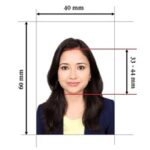
- Recent passport-sized photos (meeting visa photo specifications)
- An official Letter of Acceptance from a recognized Vietnamese educational institution
- Visa approval letter (if applying via an agent)
- Proof of financial capability (in some cases)
- Payment of visa fee
If you’re unsure whether your documents meet the latest requirements, trusted visa agencies like entryvietnamvisa.com can assist in verifying your documents and help you avoid unnecessary processing delays.
How to Apply for a Vietnam Student Visa
Here’s a step-by-step guide to ensure a smooth visa application process:
Step 1: Get an Acceptance Letter
The first requirement is to receive an official Letter of Admission or Acceptance Letter from your Vietnamese school or university. Without this, you cannot apply for a student visa.
Step 2: Prepare Required Documents
Gather your passport, application form, and other documents as mentioned above. Make sure your passport photos meet the official visa standards — background white, size 4x6cm, taken within the last 6 months.
Step 3: Submit Your Application
You can apply in one of two ways:
- At a Vietnamese embassy/consulate abroad: Submit your application, passport, photos, and admission letter in person or by mail.
- Online through a visa agent: Agencies can assist with online applications, reducing processing time and paperwork.
Step 4: Receive Visa Approval
Once your application is processed, you’ll receive an approval letter. This letter allows you to get your visa stamped either at the embassy or upon arrival at the airport in Vietnam.
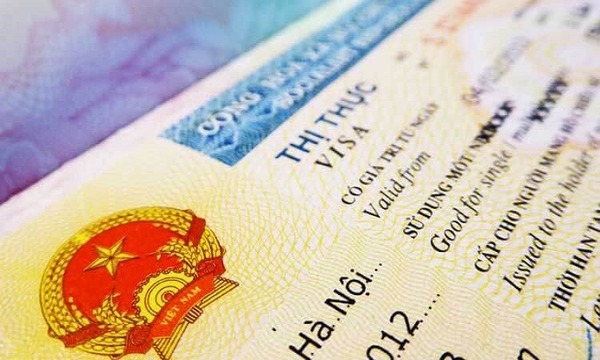
Vietnam Student Visa Fees
The cost of a Vietnam student visa depends on the duration and number of entries:
| Type of Visa | Validity | Fee Range (USD) |
| Single-entry | 3–6 months | $50 – $90 |
| Multiple-entry | 6–12 months | $90 – $150 |
These fees may vary depending on your nationality and where you apply. Always confirm the latest rates with the nearest Vietnamese embassy or an authorized agent.
How Long Can You Stay in Vietnam on a Student Visa?
A Vietnam student visa typically allows a stay of 6 months to 1 year. You can extend or renew it through your school or an authorized visa service before it expires. The extension process is relatively simple, as long as your academic enrollment remains valid.
Converting a Tourist Visa to a Student Visa
If you initially entered Vietnam on a tourist visa (for example, through a Vietnam eVisa for Dutch passport holders or similar), you can still convert your visa status once you enroll in a Vietnamese institution.
The conversion process involves submitting your acceptance letter and passport to the Immigration Department of Vietnam, along with an official request from your school.
Extending and Renewing a Vietnam Student Visa
If you plan to continue your studies or take additional courses, you can extend or renew your visa directly in Vietnam.
To do this, prepare:
- A valid passport
- Proof of ongoing enrollment
- Visa extension application form
- Sponsorship letter from your institution
Processing time usually takes 5–7 working days, and you’ll be issued a new visa sticker reflecting your updated study duration.
Can You Work While on a Vietnam Student Visa?
Technically, the Vietnam student visa is for educational purposes only. However, many universities allow part-time work under limited conditions — such as internships, assistant positions, or campus-based jobs.
Foreign students should always check with their school administration and local immigration office before starting any paid employment to ensure compliance with visa regulations.
Why Choose Vietnam for Your Studies?
Vietnam offers a unique blend of cultural heritage, affordability, and educational advancement. Many international students come to Vietnam to learn Vietnamese, study technology or business, and enjoy a dynamic lifestyle at a fraction of Western tuition costs.
Living costs are low, the people are welcoming, and major cities like Hanoi and Ho Chi Minh City host diverse student communities.
Conclusion
Obtaining a Vietnam student visa is a straightforward process when you understand the requirements and prepare properly. Whether you’re planning for a long-term degree program or a short-term language course, applying early and ensuring document accuracy will help you avoid delays.
Có thể bạn sẽ thích
 Things to Know Before Going to Vietnam in 2025
- Vietnam passport visa free countries and travel tips
- Vietnam visa photo requirements and application guidelines
- Do Indians Need Transit Visa for Vietnam? Complete Guide
- Vietnam visa application form for Ireland citizens explained
- Vietnam visa processing time for Austrian citizens

Để lại một phản hồi