
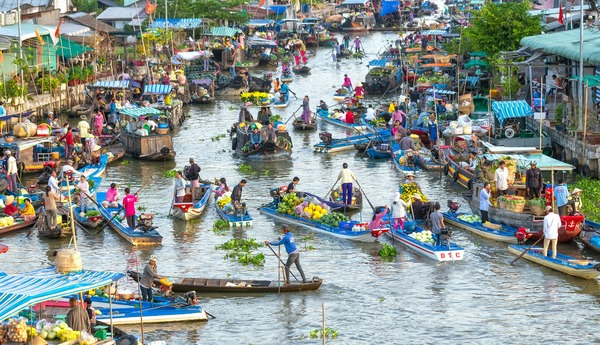
Planning a trip to Vietnam is an exciting journey into a land of breathtaking landscapes, rich history, and vibrant street life. However, before you pack your bags, there are several things to know before going to Vietnam that can make your travel smoother, safer, and more enjoyable. From visa requirements and local customs to transportation tips and cultural etiquette, being well-prepared ensures you make the most of your time in this fascinating country.
Vietnam Visa Requirements and Entry Rules
Before traveling, it’s crucial to understand Vietnam visa requirements for your nationality. Many countries are eligible for visa exemptions, allowing short stays ranging from 15 to 45 days. However, most travelers still need a valid visa to enter Vietnam.
Citizens from the Netherlands, for example, require a visa to visit Vietnam. There are different visa types available, including tourist, business, and student visas. The simplest option for short-term visitors is the Vietnam e-visa, which can be applied for entirely online. The e-visa allows a single entry for up to 90 days and is accepted at major international airports and border crossings.
For travelers in urgent situations, you can explore how to get an urgent Vietnam visa through reliable online services. Platforms like EntryVietnamVisa.com assist with quick approvals, ensuring your travel plans aren’t delayed by visa processing times. They also help verify your documents to minimize errors and ensure your visa is granted smoothly.
Best Time to Visit Vietnam
Vietnam’s weather varies significantly from north to south due to its long geographical shape.
- Northern Vietnam (Hanoi, Ha Long Bay, Sapa): The best months to visit are from October to April, with cool and dry weather.
- Central Vietnam (Hue, Da Nang, Hoi An): Ideal from February to August, before the rainy season arrives.
- Southern Vietnam (Ho Chi Minh City, Mekong Delta): Warm year-round, but the dry season from December to April offers the best conditions.
If you plan to explore the entire country, March and April are great months, balancing mild weather across most regions.
Currency, Cash, and Payments
Vietnam’s official currency is the Vietnamese Dong (VND). While major cities accept credit cards, smaller towns and local markets often prefer cash. ATMs are widely available, and currency exchange counters can be found at airports, hotels, and banks.
Tips:
- Avoid using old, torn banknotes — some vendors won’t accept them.
- Always carry smaller denominations for street food, taxis, or local purchases.
- Use reputable ATMs to avoid high transaction fees.
Local Customs and Etiquette
Vietnamese people are warm and welcoming, but respecting local customs shows appreciation for their culture:
- Always greet with a polite nod or smile; handshakes are acceptable but usually gentle.
- Dress modestly when visiting temples or pagodas.
- Avoid touching someone’s head — it’s considered disrespectful.
- Remove shoes before entering someone’s home or sacred spaces.
- Use both hands when giving or receiving items, such as money or gifts.
Small gestures of respect go a long way in building positive interactions during your trip.
Transportation and Getting Around
Getting around Vietnam is relatively easy, with options ranging from modern flights to scenic train rides.
- Domestic flights: Fastest option for long distances, connecting major cities like Hanoi, Da Nang, and Ho Chi Minh City.
- Trains: Offer comfortable overnight journeys with scenic views, especially along the coastal route.
- Buses: Affordable and convenient, particularly for backpackers or short intercity trips.
- Taxis and ride-hailing apps: In cities, use apps like Grab to avoid scams and negotiate-free fares.
Traffic in big cities can be chaotic, so if you’re renting a motorbike, make sure you have an international driving permit and always wear a helmet.
Internet Access and SIM Cards
Staying connected in Vietnam is simple and inexpensive. You can buy local SIM cards from providers like Viettel, Mobifone, or Vinaphone at airports or convenience stores. A prepaid SIM with data costs only a few dollars and offers reliable 4G coverage nationwide.
Wi-Fi is widely available in cafes, hotels, and restaurants, so you’ll rarely find yourself offline. For longer stays, consider buying a data package suitable for your travel duration.
Food and Drinking Water
Vietnam is famous for its street food — from pho (noodle soup) and banh mi (baguette sandwich) to goi cuon (spring rolls). Street vendors are often safe to eat from if the food is freshly prepared and cooked in front of you.
However, avoid drinking tap water. Always use bottled or filtered water for drinking and brushing your teeth. Ice is generally safe in big cities, but be cautious in rural areas.
If you have dietary restrictions, learn key Vietnamese phrases such as “Tôi không ăn thịt” (I don’t eat meat) or “Không có hải sản” (No seafood) to communicate clearly at restaurants.
Safety and Health Tips
Vietnam is a relatively safe country, but it’s wise to stay alert and take basic precautions:
- Be cautious of pickpockets in crowded areas or night markets.
- Avoid leaving valuables unattended.
- Always check taxi meters or use ride-hailing apps to avoid being overcharged.
- Use mosquito repellent, especially in rural or forested areas.
Health-wise, Vietnam requires no mandatory vaccinations for short-term visitors, but recommended ones include hepatitis A, typhoid, and tetanus. Comprehensive travel insurance is strongly advised.
Language and Communication
Vietnamese is the official language, but English is widely understood in tourist areas. Learning a few basic phrases like “Cảm ơn” (thank you) or “Xin chào” (hello) can help create friendly connections.
In smaller towns, you may find fewer English speakers, so using translation apps can make communication easier.
Cultural Experiences Not to Miss
No visit to Vietnam is complete without exploring its cultural treasures:
- Hanoi Old Quarter: A maze of lively streets filled with food stalls and history.
- Ha Long Bay: A UNESCO World Heritage site famous for its limestone islands.
- Hoi An Ancient Town: Beautifully preserved architecture and charming lantern-lit nights.
- Ho Chi Minh City: A bustling metropolis blending old traditions with modern life.
Beyond sightseeing, try a local cooking class, water puppet show, or a motorbike food tour for authentic experiences.
If you’re traveling last-minute or encounter visa issues, you can apply for an Emergency Vietnam visa same day through reputable online platforms. Services like Entry Vietnam Visa help travelers obtain fast-tracked approvals, often within just a few hours.
There are countless things to know before going to Vietnam, but the key is preparation — from understanding visa procedures and local customs to knowing what to eat and where to go. With the right knowledge, you’ll not only avoid common travel pitfalls but also enjoy the full beauty and diversity Vietnam has to offer.
Có thể bạn sẽ thích
 How to Apply for a Vietnam Student Visa in 2025
- Vietnam passport visa free countries and travel tips
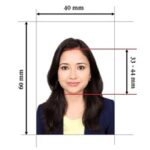
- Vietnam visa photo requirements and application guidelines
- Do Indians Need Transit Visa for Vietnam? Complete Guide
- Vietnam visa application form for Ireland citizens explained
- Vietnam visa processing time for Austrian citizens

Để lại một phản hồi